
Witqualis Insights — Software Engineering, AI and Team Scaling — NOTES ON ARCHITECTURE,
SCALING & SQUAD HIRING.
Practical technical writing from our senior architects, AI researchers, and engineering leads. Rigorous, field-tested, and built for production teams.
Code Over Commentary
Every blueprint includes production-tested code patterns, real architectural diagrams, and measurable latency benchmarks.
Zero Vendor Propaganda
Unfiltered technical evaluations. We discuss operational bottlenecks, failure modes, and trade-offs rather than sales pitches.
Field-Tested in Production
Authored exclusively by senior full-stack architects, AI researchers, and DevOps SREs deploying live enterprise software.
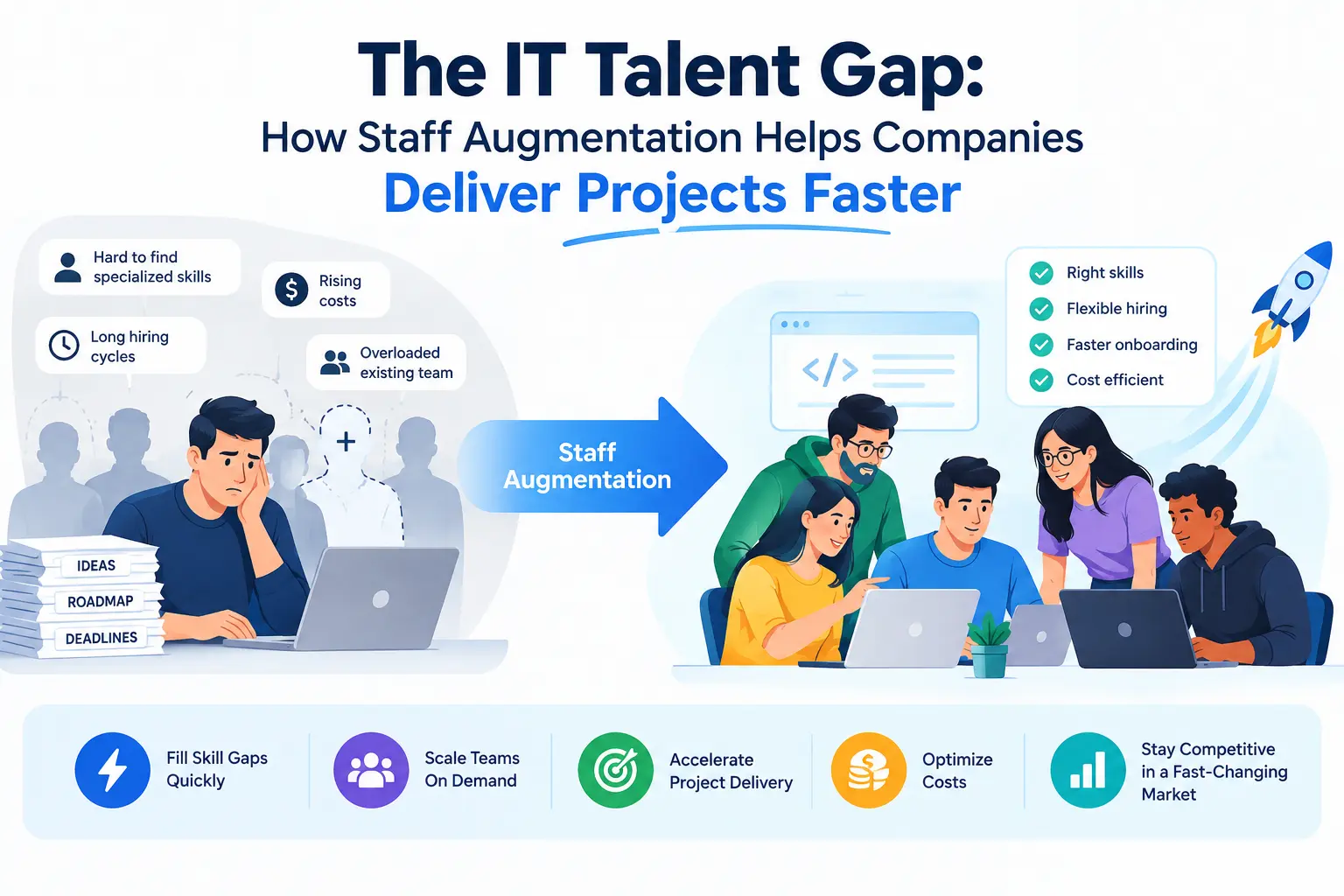
The IT Talent Gap: How Staff Augmentation Helps Companies Deliver Projects Faster
Learn how IT staff augmentation helps companies overcome developer shortages, close technical skill gaps, reduce project delays, and scale delivery capacity
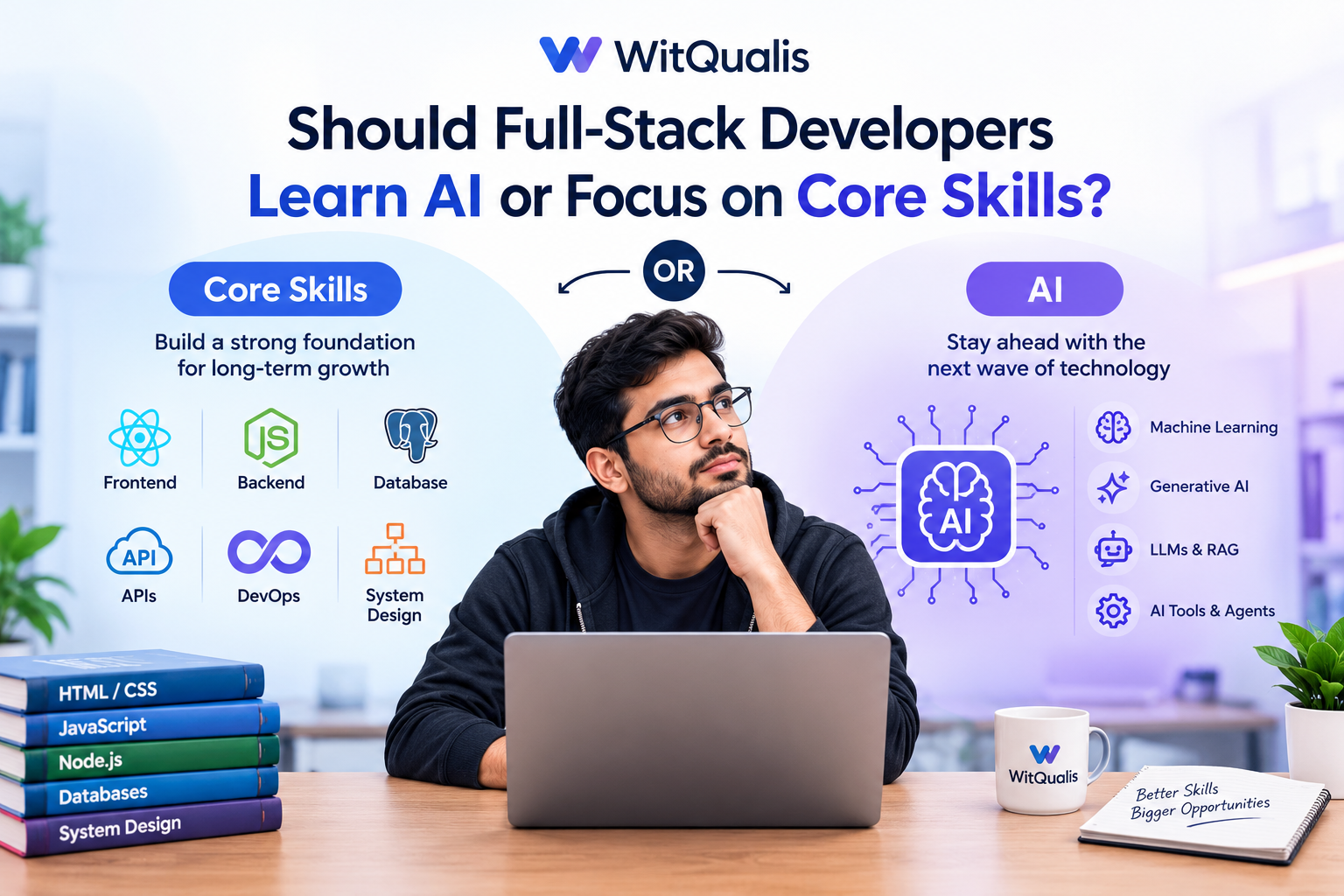
Should Full-Stack Developers Learn AI or Focus on Core Skills?
Should full-stack developers learn AI? Discover which AI skills matter, why core development fundamentals still come first, and how to build a practical learning roadmap.
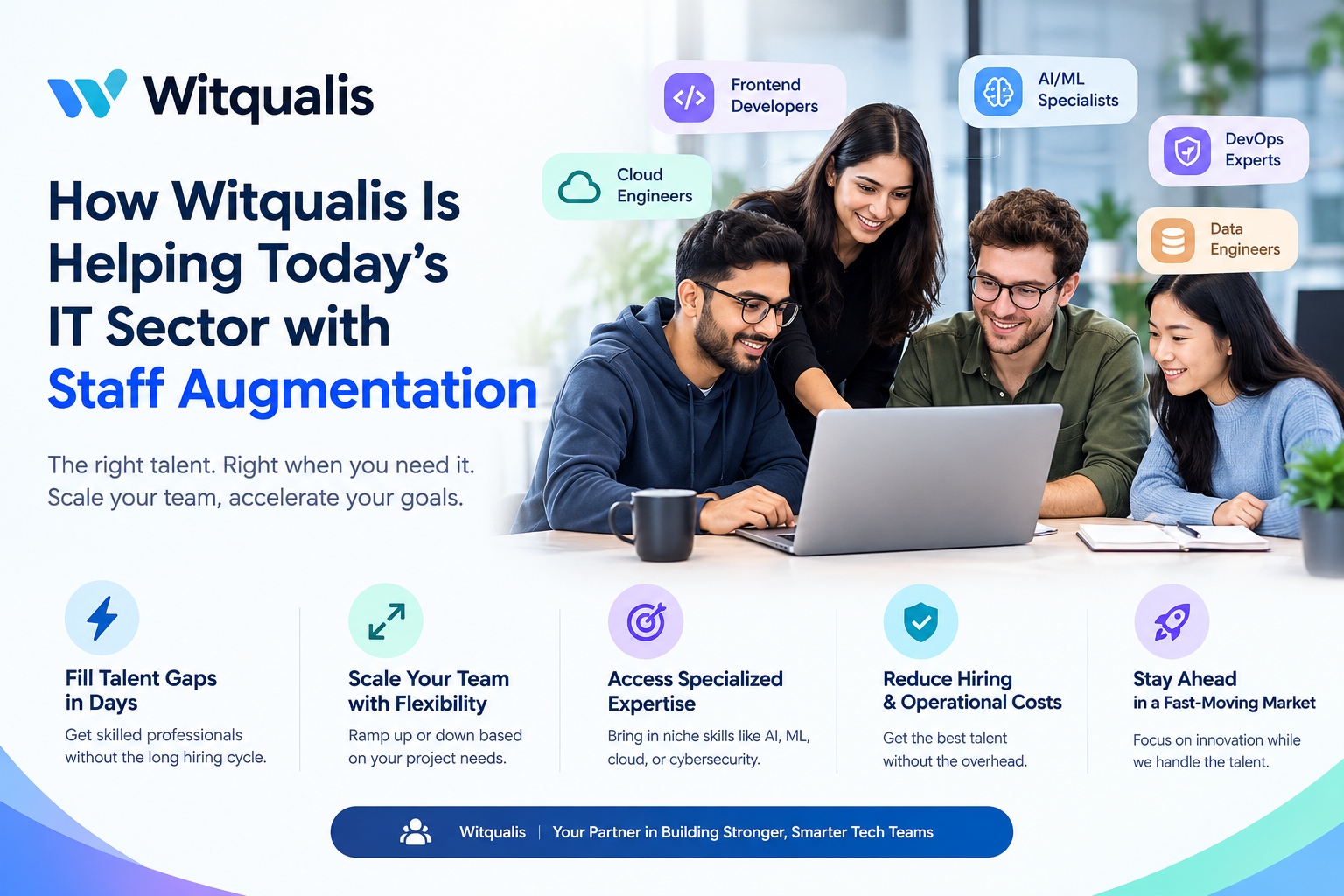
How Witqualis Is Helping Today’s IT Sector with Staff Augmentation
Learn how Witqualis helps IT teams close specialist skill gaps , scale engineering capacity, and deliver software, AI, and cloud projects through staff augmentation.
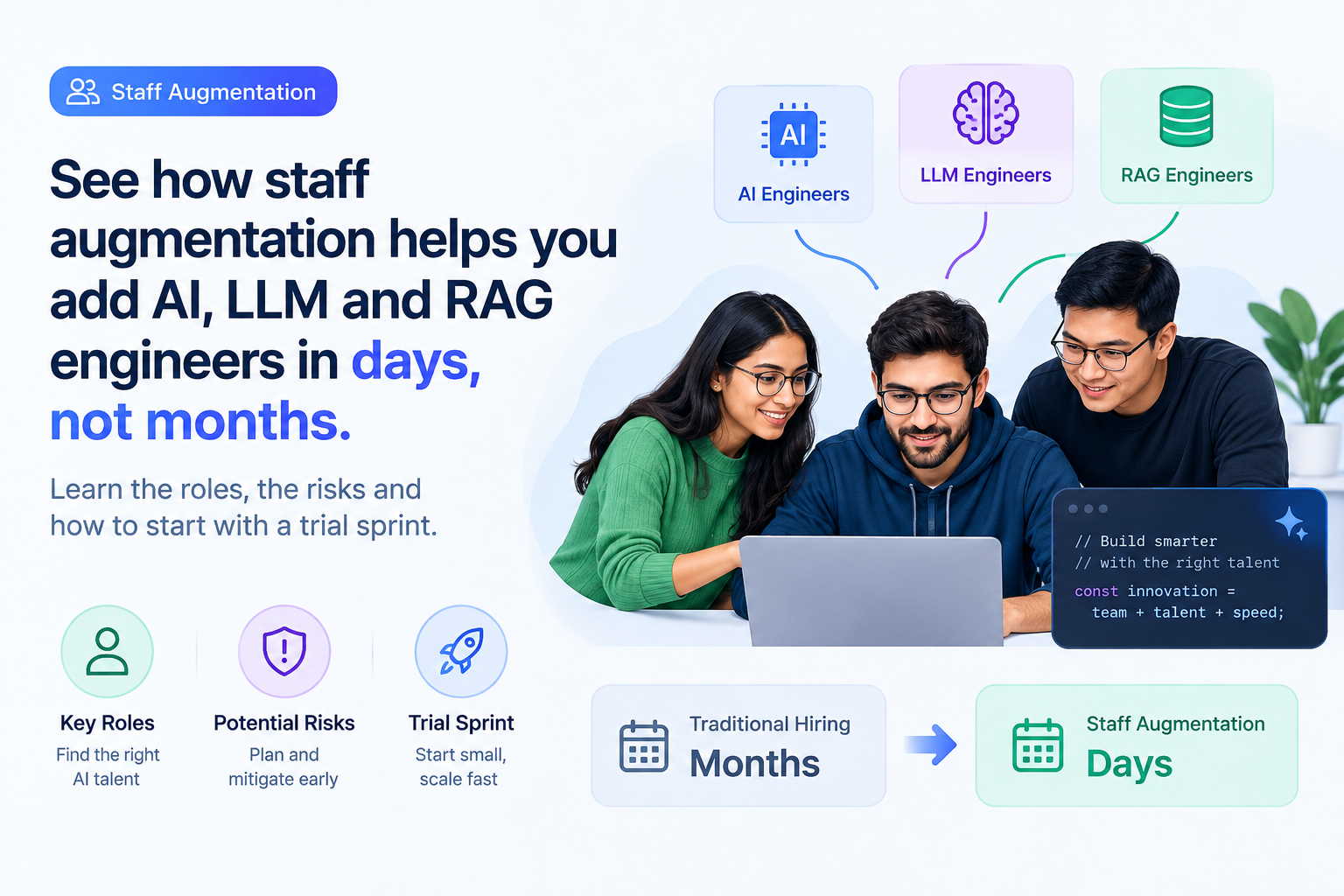
AI Staff Augmentation: Build Your AI Team Faster · WitQualis
See how staff augmentation helps you add AI, LLM and RAG engineers in days, not months. Learn the roles, the risks and how to start with a trial sprint.
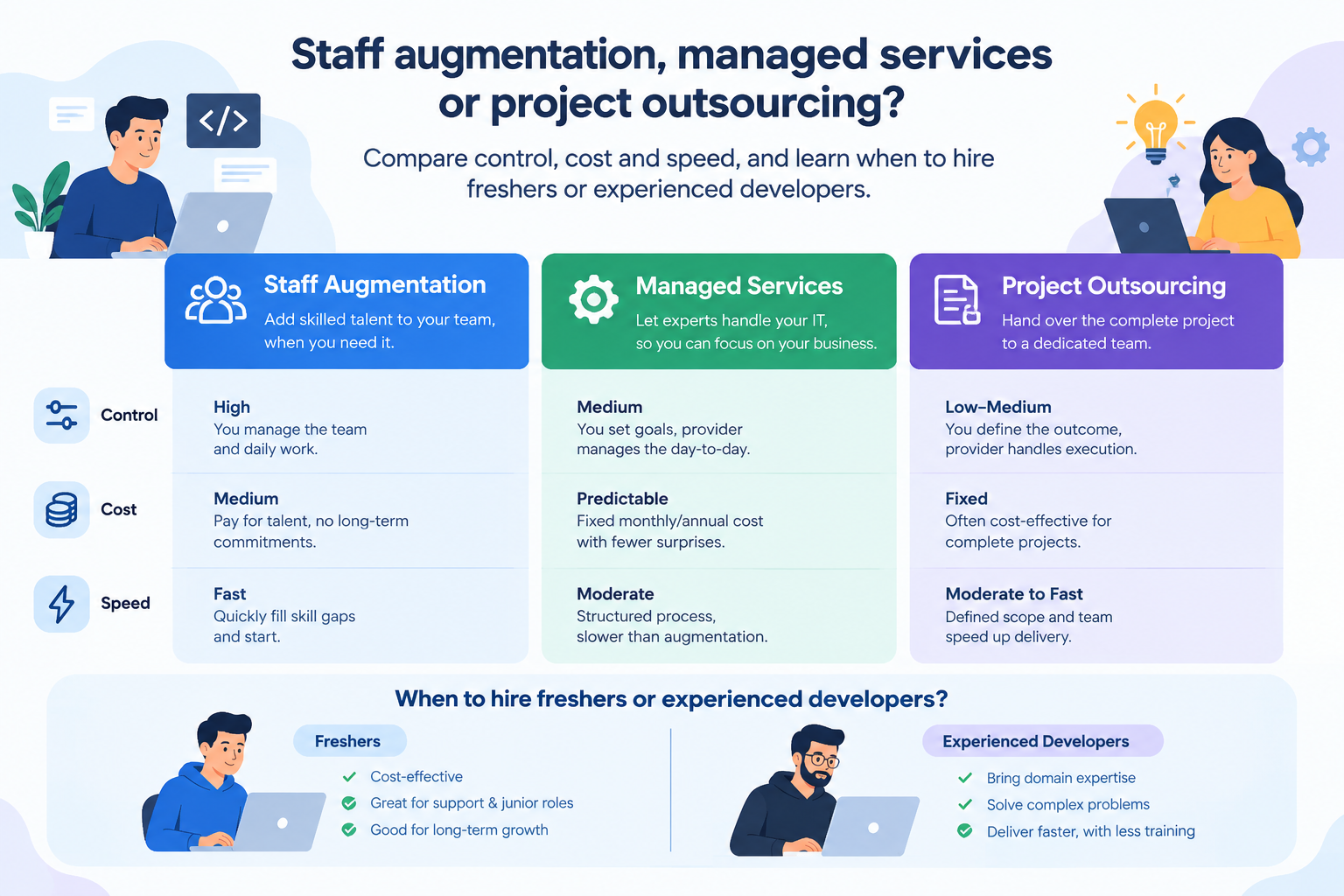
Staff Augmentation vs Managed Services vs Project Outsourcing
Staff augmentation, managed services or project outsourcing? Compare control, cost and speed, and learn when to hire freshers or experienced developers.

Future of AI in India in the Next 5 Years: Trends, Examples and 2030 Outlook
What is the future of AI in India over the next five years? Explore India’s AI growth, key trends, use cases, jobs, risks, human impact, and the road to 2030.

Staff Augmentation: A Practical Guide to Scaling Your Engineering Team
Staff augmentation is most useful when you have a defined delivery need but do not want to make an immediate permanent hire or outsource control of the project.

AI Development Company for Enterprise AI Solutions
Build secure, scalable AI solutions with Witqualis. From enterprise RAG and AI agents to LLM integration, automation and cloud deployment, our engineers help businesses move from idea to production.
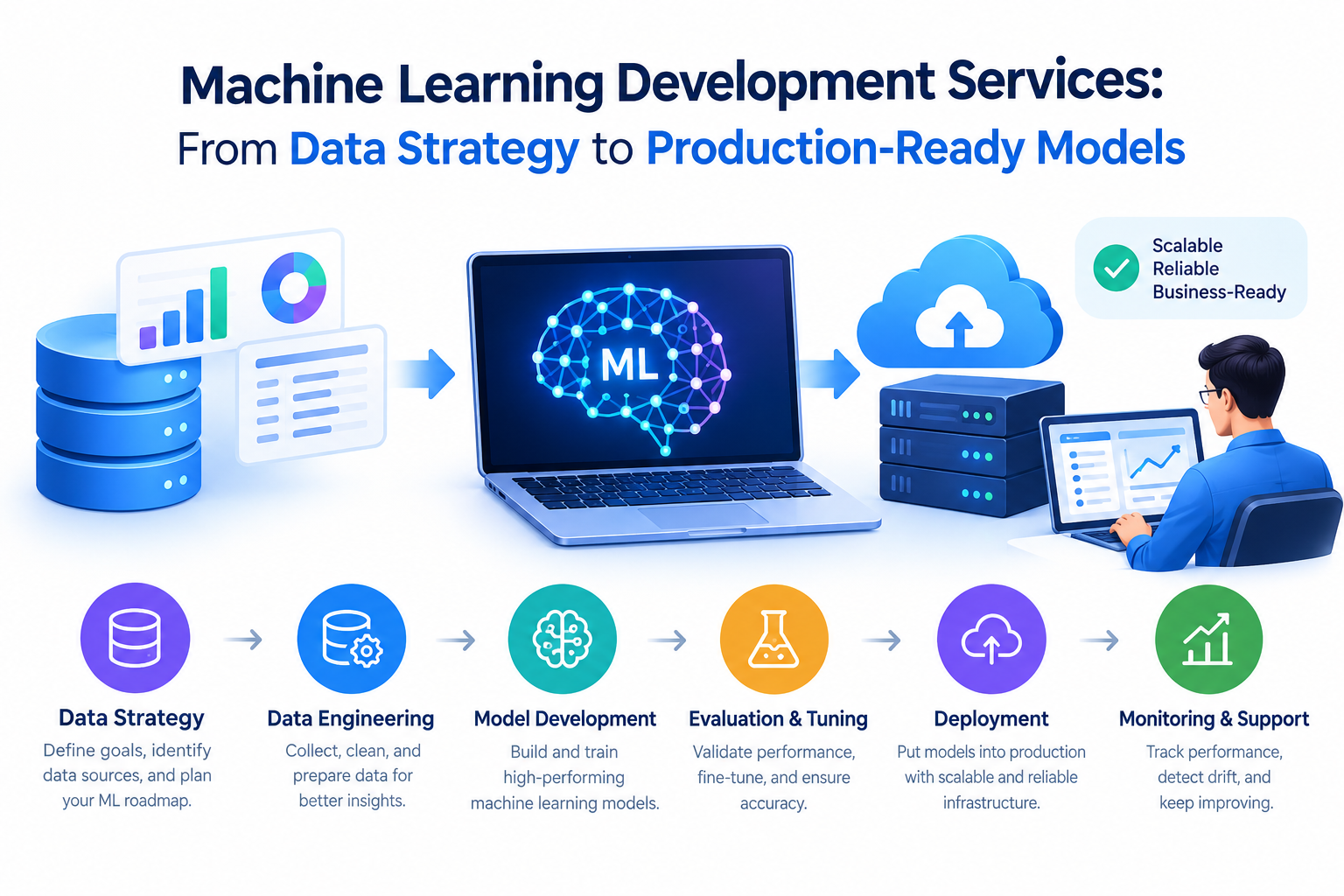
Machine Learning Development Services: From Data Strategy to Production-Ready Models
Explore machine learning development services for predictive analytics, recommendation engines, automation, and intelligent products—from data preparation and model development to deployment, MLOps, and ongoing optimization.
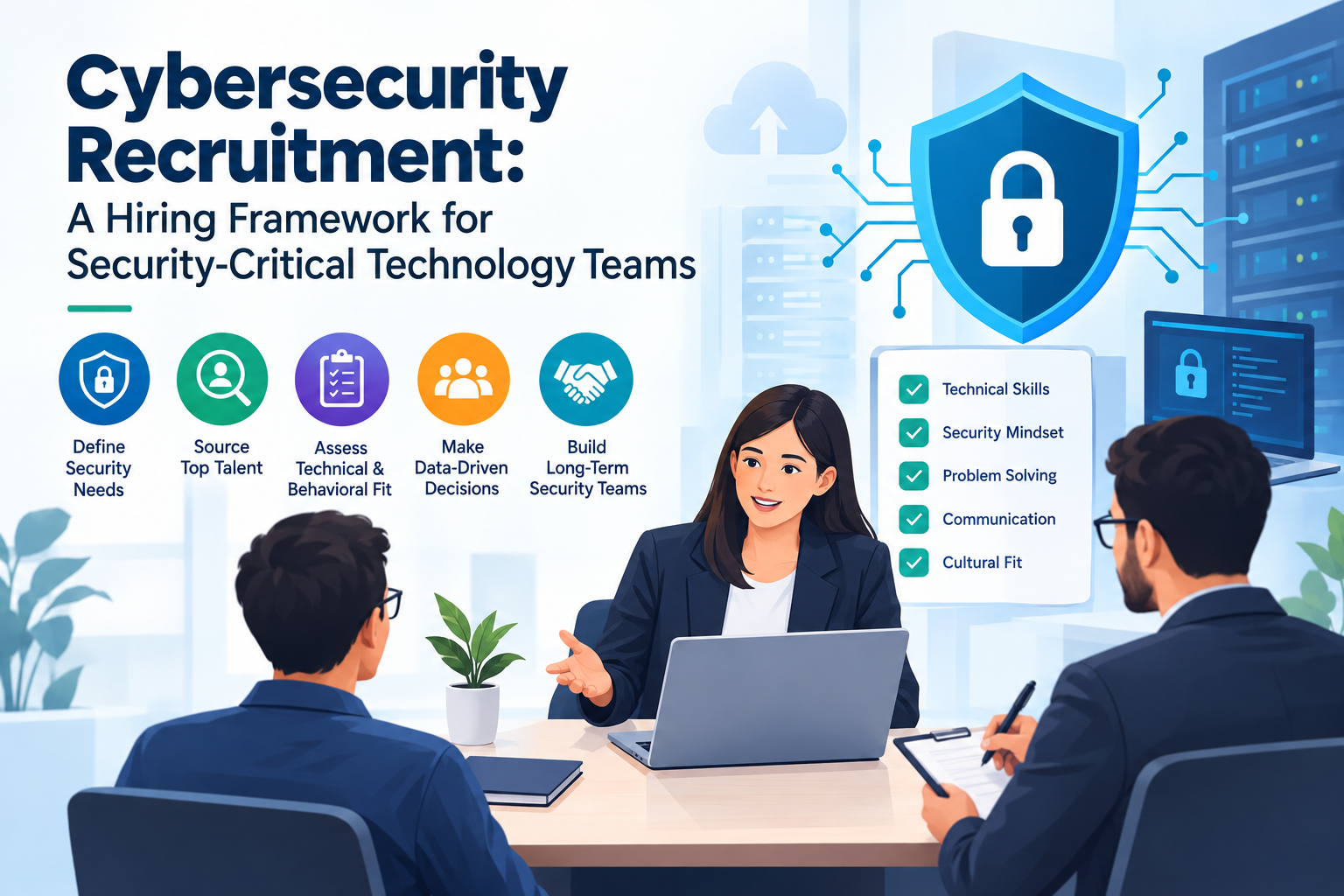
Cybersecurity Recruitment: A Hiring Framework for Security-Critical Technology Teams
Cybersecurity recruitment is not simply about filling a security job title. It is about building the capabilities your organization needs to prevent incidents, reduce exposure, detect threats.
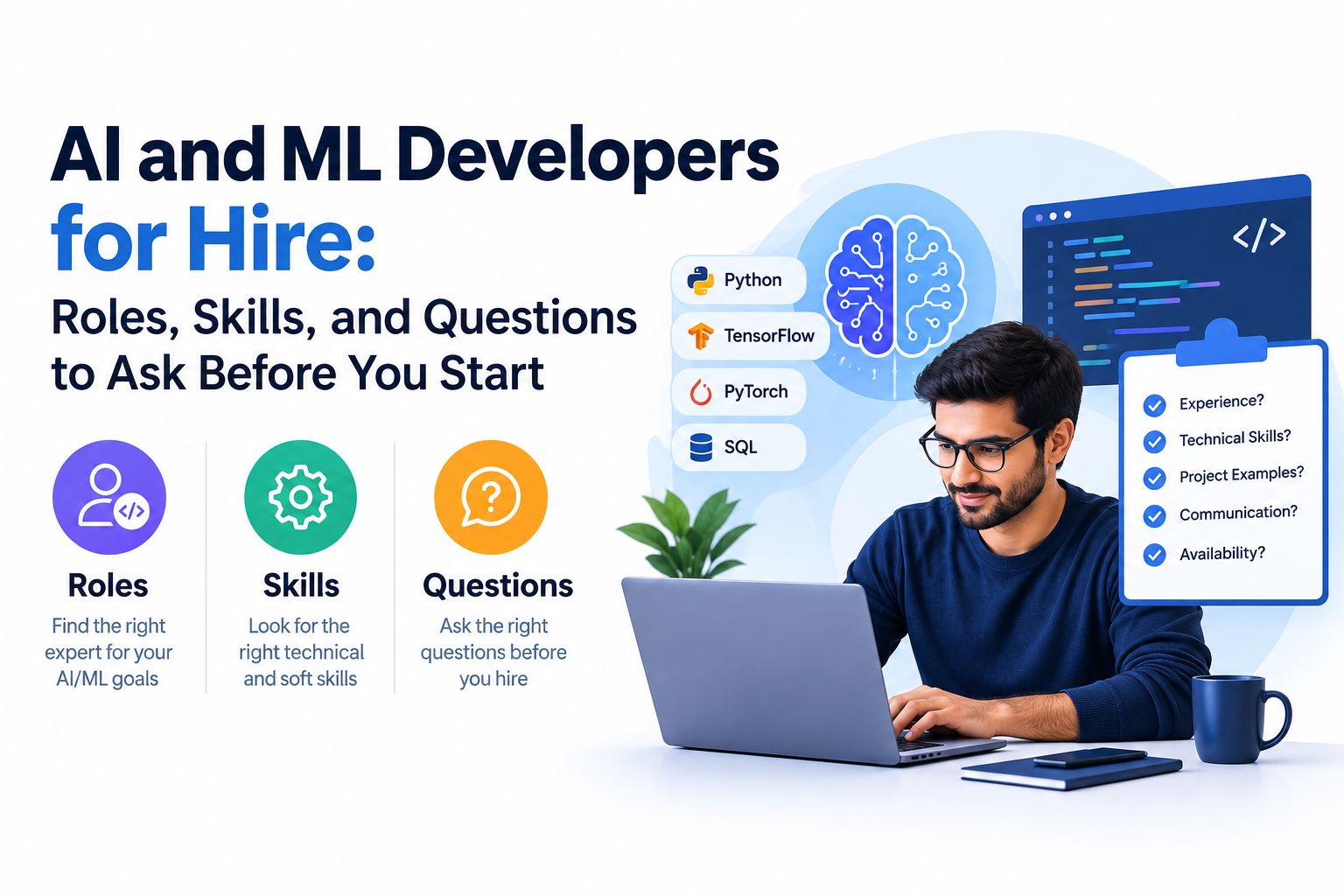
AI and ML Developers for Hire: Roles, Skills, and Questions to Ask Before You Start
Hiring AI and ML developers for hire is not simply a matter of finding someone who can call an AI API or train a model in a notebook. A production-ready AI product requires several types of expertise: business and product thinking, data preparation, model development, software engineering, deployment, security, evaluation, and ongoing monitoring.

How to Evaluate a Staff Augmentation Partner (Without Getting Burned)
Most vendor evaluations focus on rate cards. Here’s the checklist that actually predicts whether an engagement will work six months in.
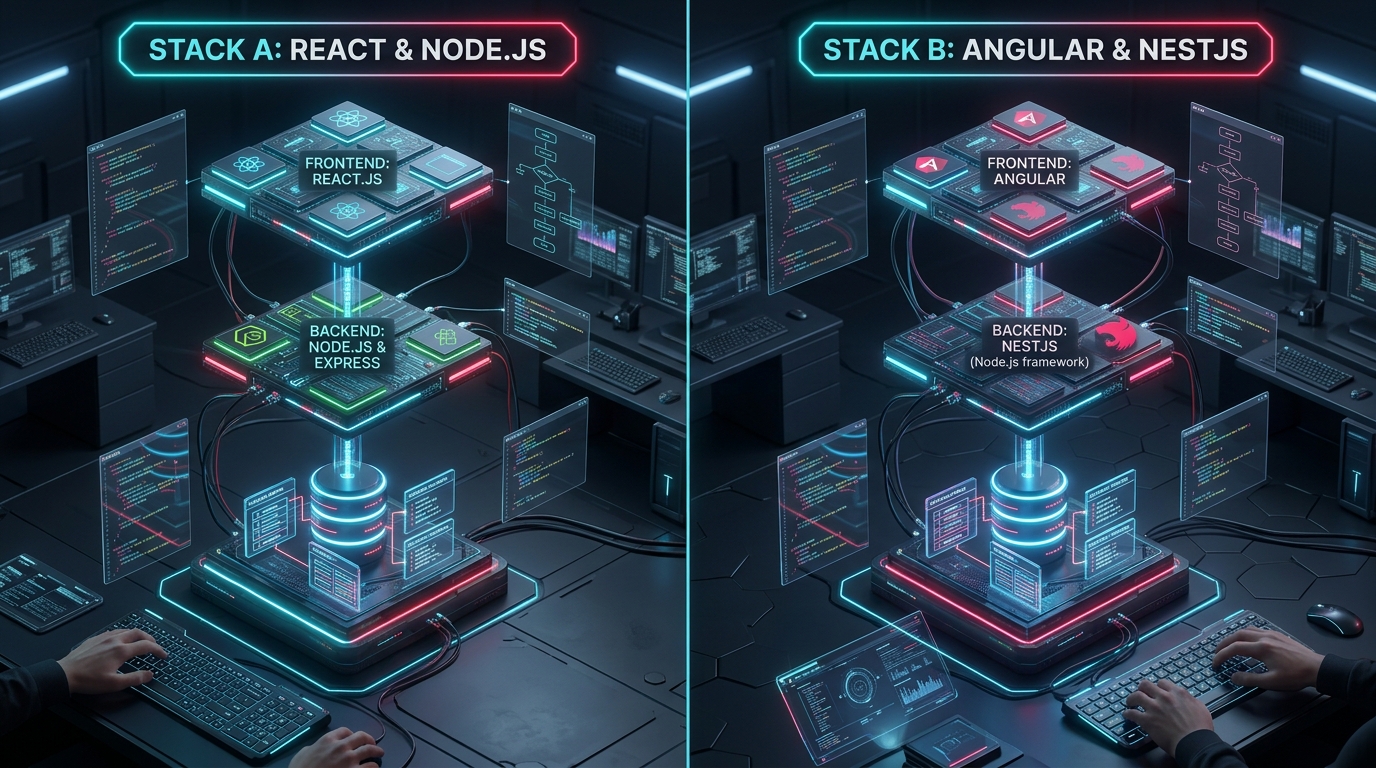
MERN vs MEAN in 2026: Choosing Your Stack Without the Hype
Both stacks share three-quarters of their letters. The decision that actually matters is buried in your team’s existing skill set.
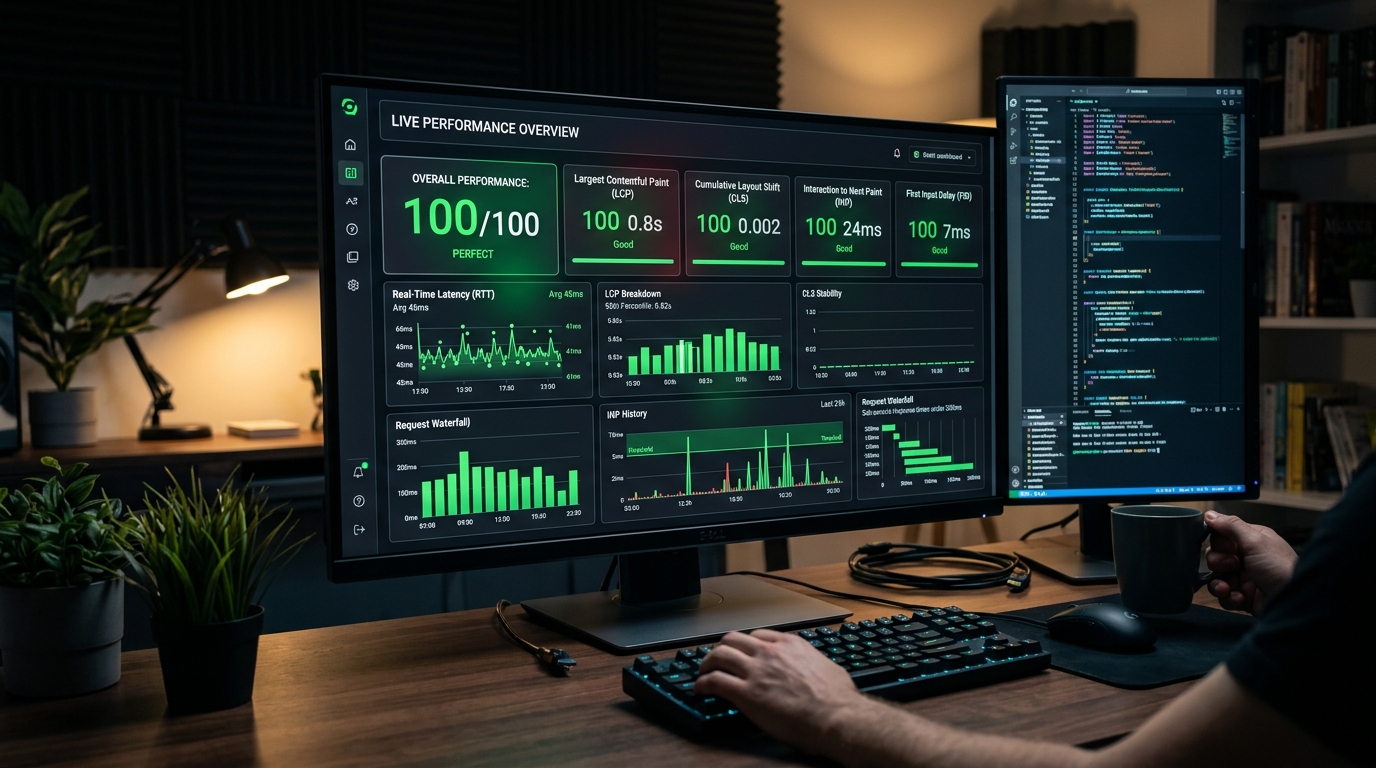
The Core Web Vitals Checklist We Run on Every Frontend Handoff
A practical, non-theoretical checklist our frontend team runs before calling any build "done."

What to Actually Look for in a Generative AI Development Company
Most "AI development" pitches are a ChatGPT wrapper with extra steps. Here’s how to tell the difference before you sign anything.
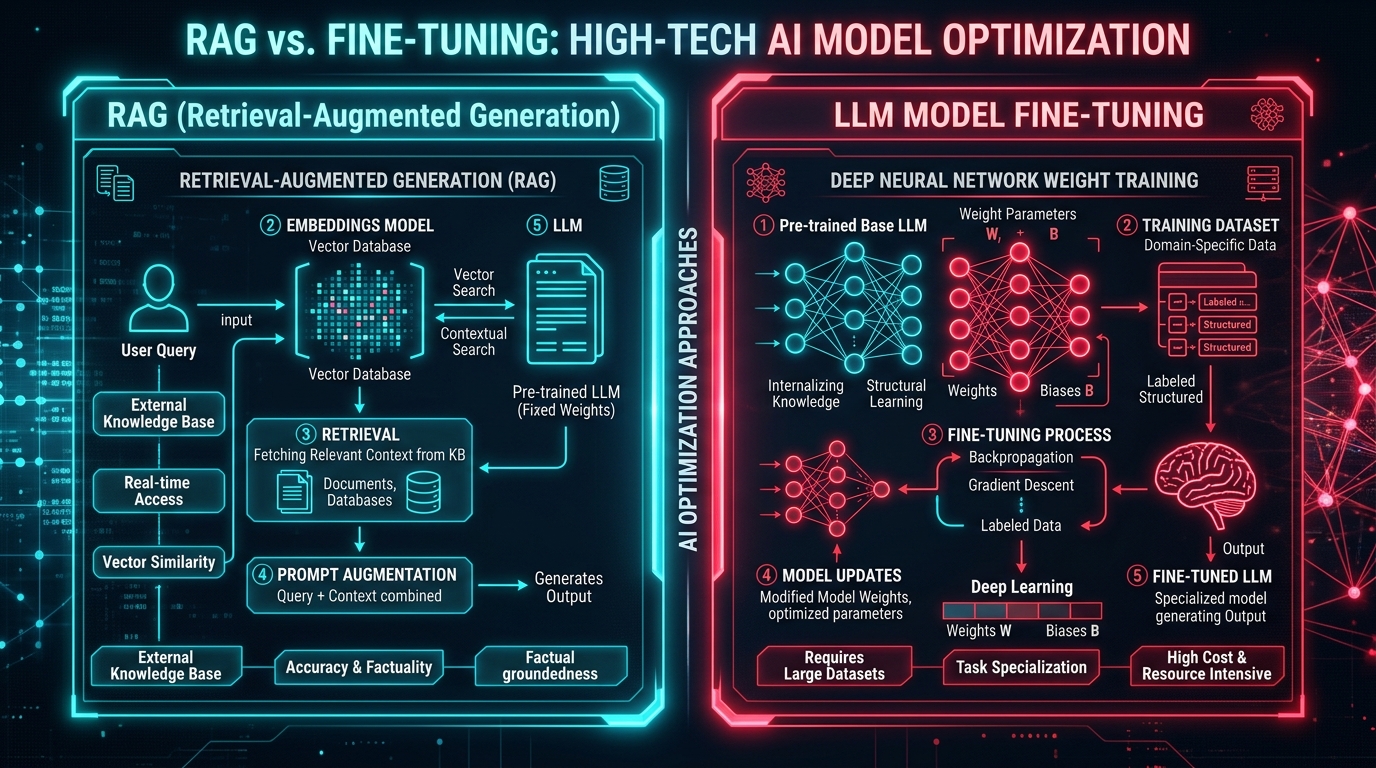
RAG vs Fine-Tuning: Choosing the Right Approach for Your AI Feature
The two most common ways to make an LLM "know" your business — and why most teams reach for the wrong one first.
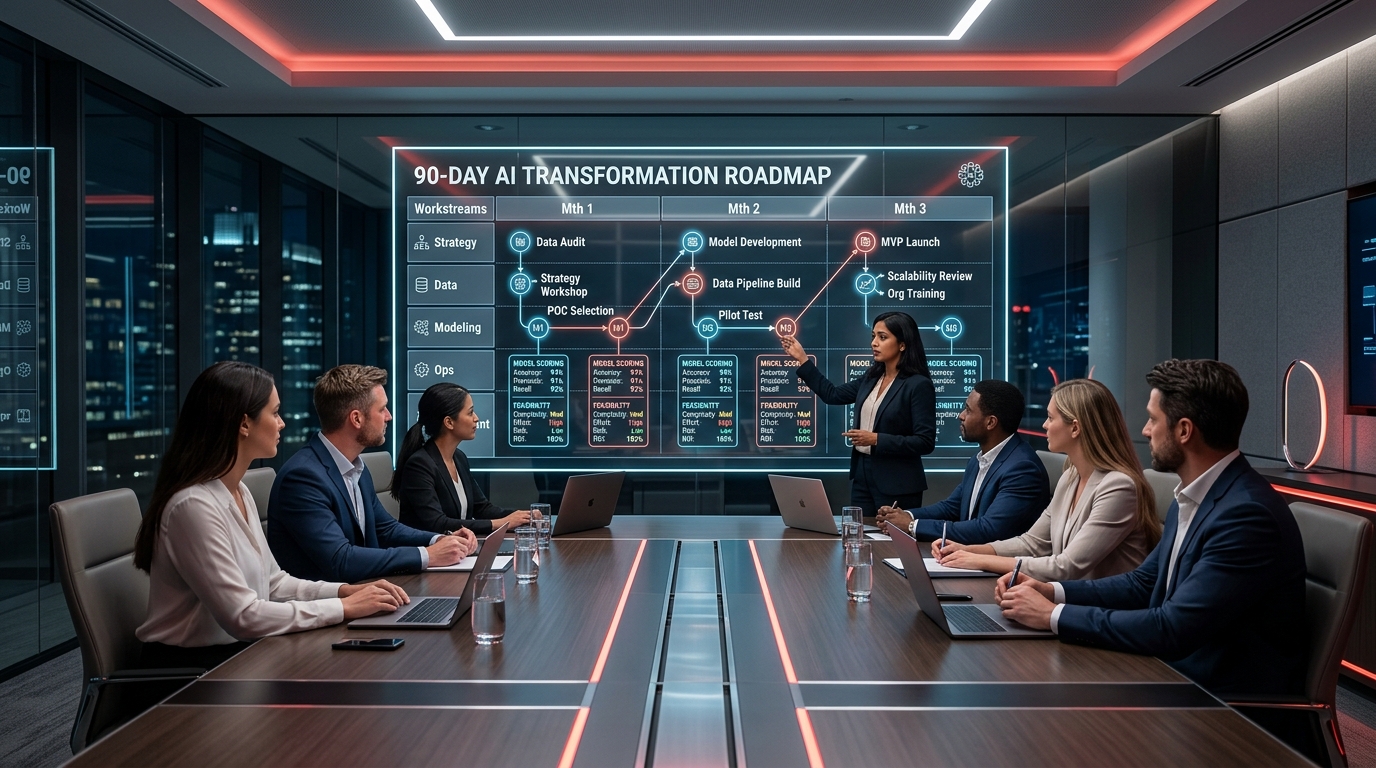
What the First 90 Days of an AI Consulting Engagement Should Look Like
If your AI consultant’s first deliverable is a build plan, they skipped a step. Here’s the order that actually protects your budget.
Receive New Blueprints Before They Hit Production.
No spam, no vendor promos. Just 2 deeply technical blueprints each month on system design, AI architectures, and developer staffing.